.jpg)
.jpg)

.jpg)

.jpg)

.jpg)

.jpg)


.jpg)
.jpg)


.jpg)
.jpg)


.jpg)

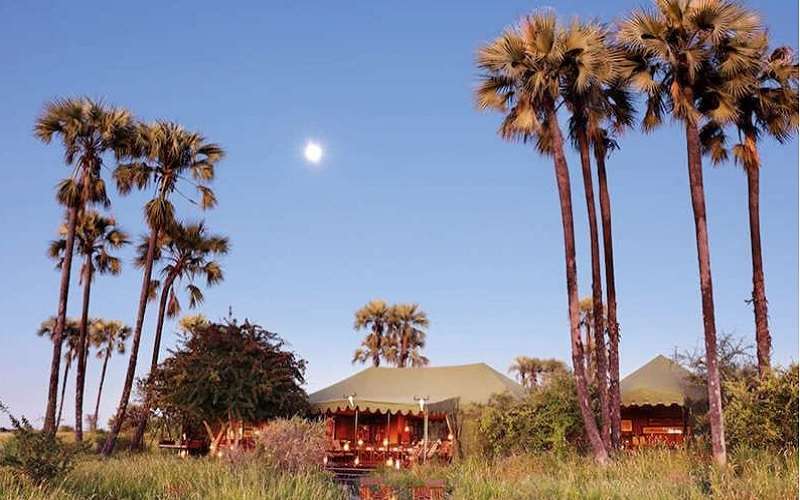
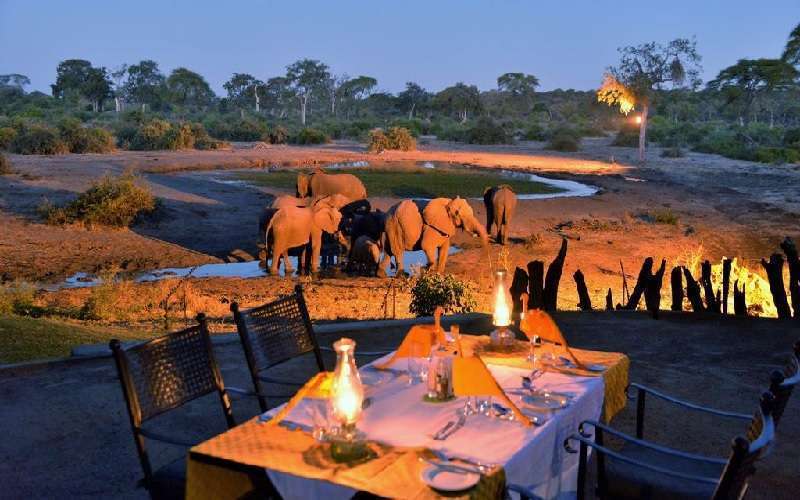
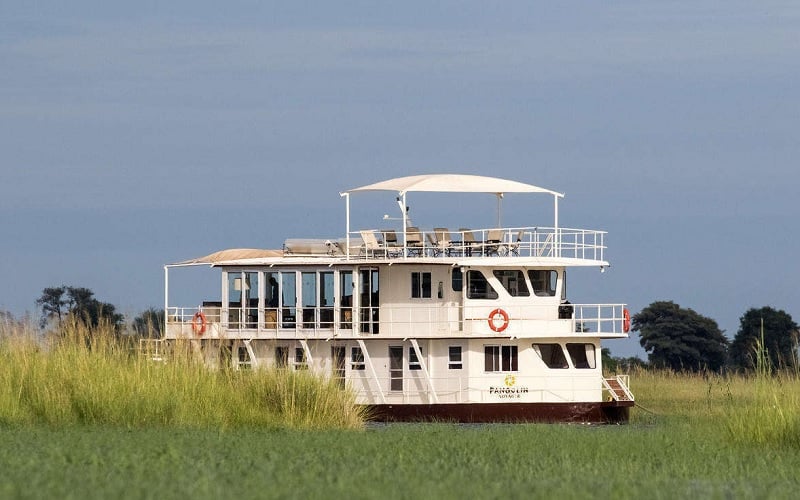
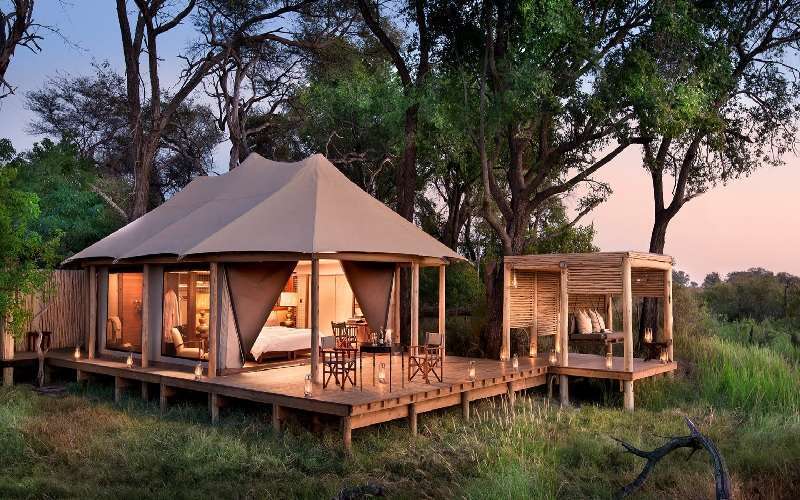
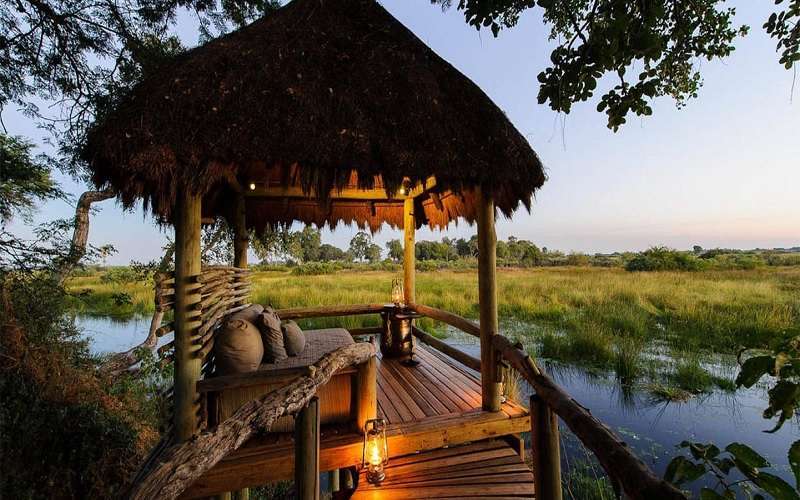
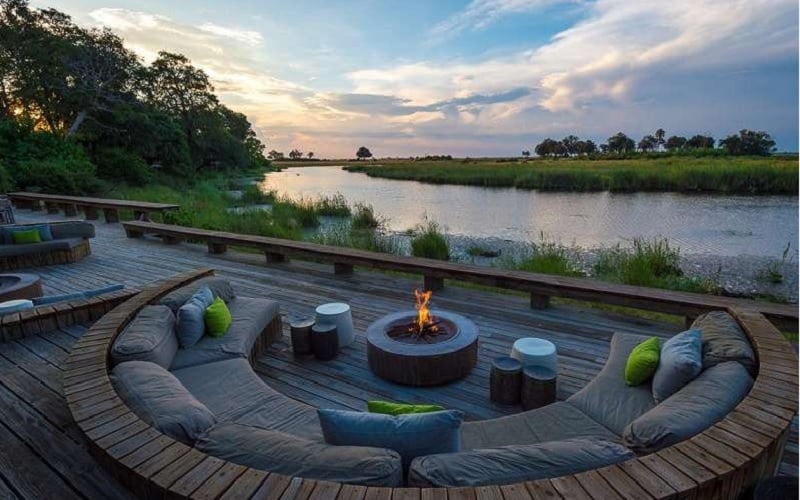
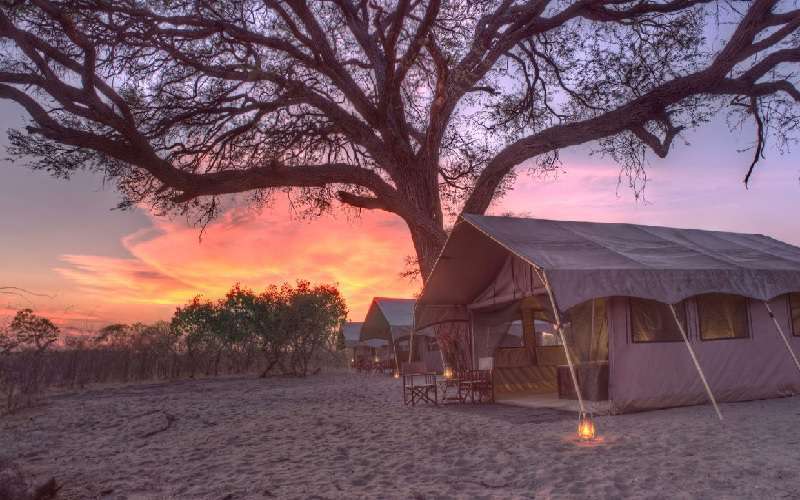
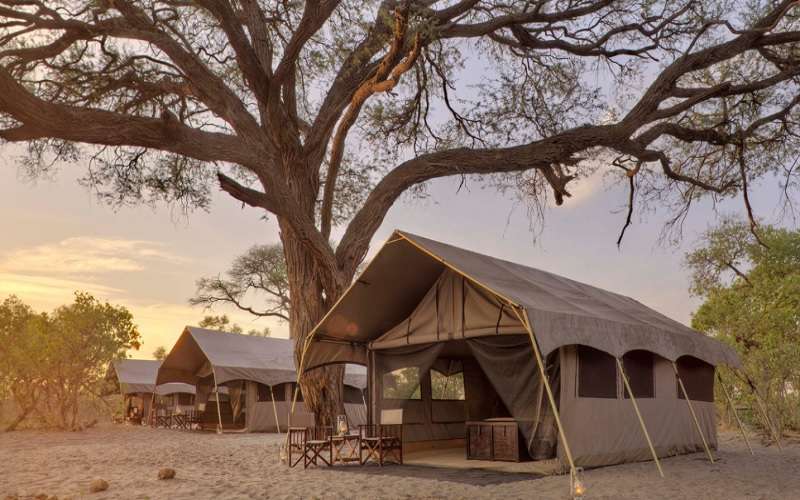
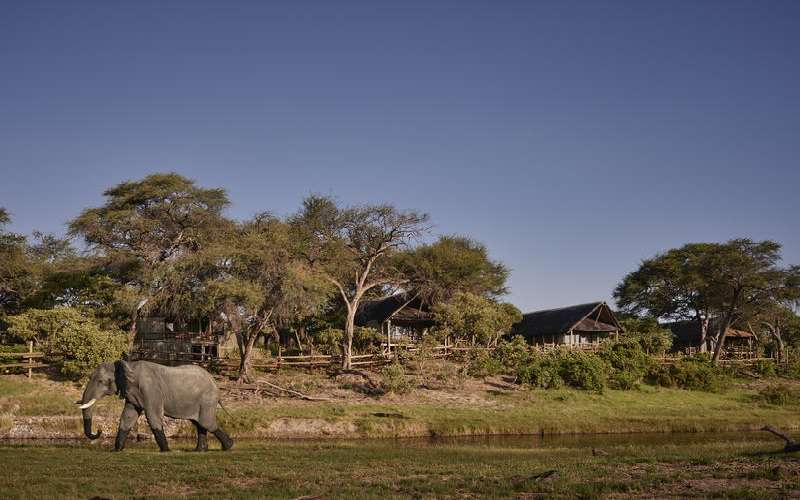
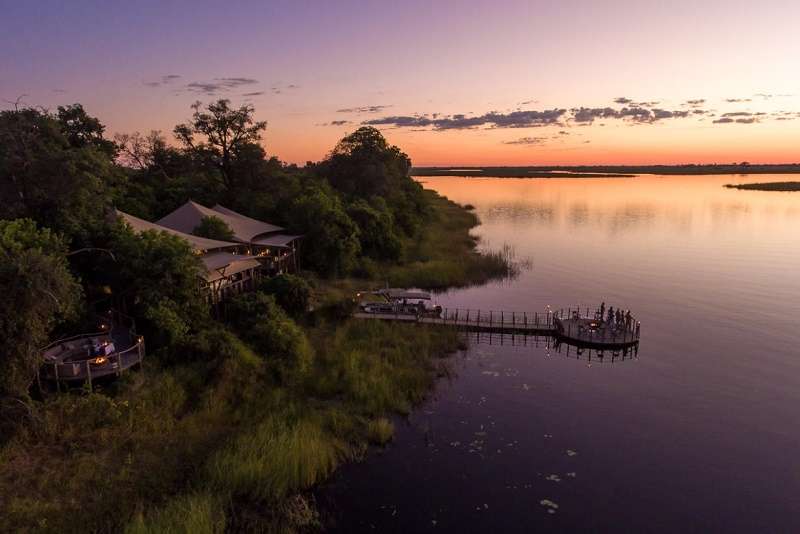
One of the planets more unusual natural spectacles where a vast river flows into an arid landscape filling it with an abundance of life. This home to some of the best Botswana safari lodges. Safari lodges spread over a vast region of almost six thousand square kilometres, approximately the same size as France. Landlocked and average it is 955 metres above sea level and is located more than 610 kilometres from the nearest coast. The Tropic of Capricorn bisects Botswana, and the most dominant characteristics of Botswana are its flatness and aridity. Besides the eastern part of Botswana, three-quarters of Botswana is a desert. Notable areas of interest are:
- Okavango Delta
- Moremi Game Reserve
- Chobe National Park
- The Central Kalahari
- Makgadikgadi Pans
- Tsodilo Hills
- The Selinda
The Okavango Delta
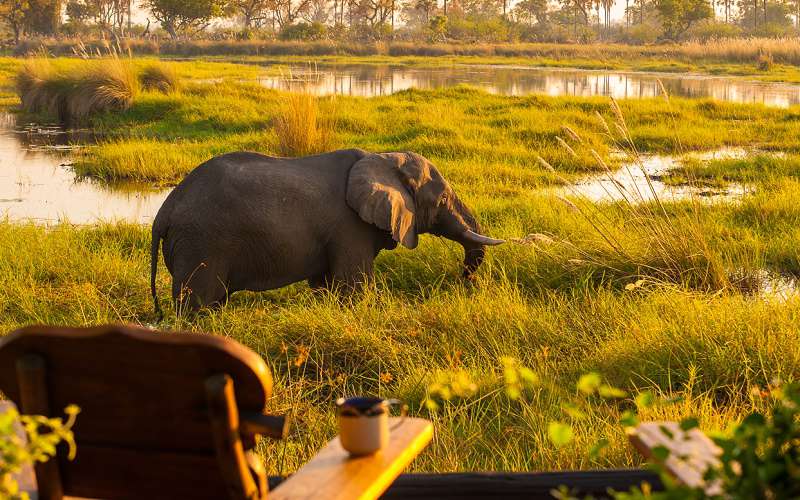
A giant landlocked delta full of life in a sea dry arid land Without doubt Africa's unique wetland and is one of the great natural wonders of the world. Although the delta wildlife diversity and concentrations are modest in comparison to some other safari destinations within delta offers a truly unforgettable and magnificent experience. Coming from the Angolan highlands and filled with the summer's rains, the two rivers turn not to the west and the Atlantic ocean, but east and inland, converging to form the delta. Many million cubic metres of floodwater cover thousands of km of semi-desert. Beautifully located in palm-studded islands and dry-land areas, several safari camps and game lodges await the adventurous travellers from all over the world. Small aircraft shuttle guests to and between the game lodges and camps during their safari holiday. The towns of Maun in South & Kasane in the North are the gateways to the delta, and each is served by scheduled flights.
Moremi Game Reserve
The northeastern Delta including Chief's Island and the private concessions on its fringe. Beautiful game, birdlife and spectacular scenery await the traveller. It is this region is home to the country's most beautiful little game lodges.
Chobe National Park
The park is the official address for game viewing particularly on the Chobe riverfront and in the Savute region. Therefore, the park is a prime destination for first-time visitors to Africa and provides excellent opportunities for specialists in regards to observing Africa's wildlife in its natural surroundings.
The Central Kalahari
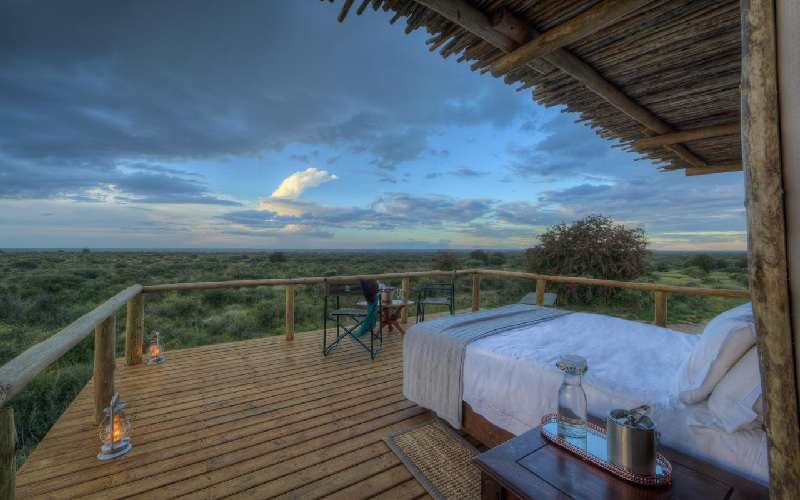
The Kalahari which encompasses the Makgadikgadi and Nxai pans is not a popular safari destination. This region is, however, a captivating ecological habitat heavily influenced by larger geological factors and seasonal water. A game safari in the area is an enriching, adventurous and unforgettable. The Kalahari, which is the enormous area of land lying 309 metres thick over most of south-central Africa, is a desert only in the sense that it has no surface water. Far from being lifeless, the desert is home to many plants, animal and bird-life. It is also home to the dying race, that of the San or Bushmen.
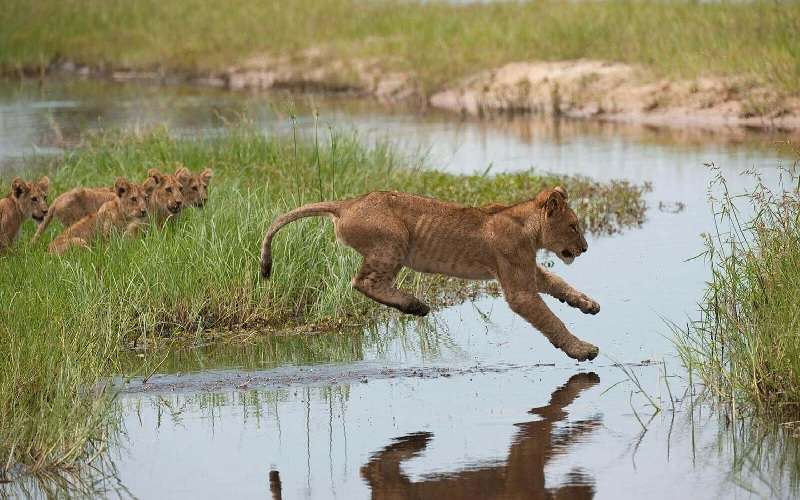
While game concentrations are low, the desert it is home to many species that are not found in any other areas such as the delta or the Chobe. These animals include the Eland, the gemsbok (oryx), the red hartebeest, the brown hyaena, the springbok, the steenbok, duikers, as well as the bat-eared fox. Of those species, which it does have in common with other regions in the country, the desert specimens are different. This wildlife includes the lion, leopard and the cheetah. These animals are substantially larger than their wetland cousins. Also, many smaller animals may be seen while exploring the Kalahari such as the porcupine, the honey-badgers, caracals, a variety of little cats, mongooses and suricates.
Makgadikgadi Pans
The bed of a prehistoric lake which still puzzles archaeologists are the strange pans. This region is a unique experience for those travellers whose purpose is to see many of Africa's wildlife. The lasting impression of the unlimited space, endless sky, limitless silence. A solitary walk onto a salt pan is a fantastic experience never to be forgotten. Besides the being salt pans, vast regions are rolling grassland with islands of acacia, and the desert which is found here is by no means lifeless. Large mammals are not often seen here. However, rare species are to be found in this region such as the brown hyaena and the elusive aardwolf. Several times throughout the year, the pans burst into the life of immense proportion, depending on prevailing conditions. Red quelea may be seen in their tens of millions, tiny birds consuming three times their weight daily, darkening the sky in their multitude. As the seasons and weather patterns change over the desert, continually evolving the pans, vast migrations of zebra can be seen. When the pans fill with summer rain, flamingos are attracted providing for spectacular viewing.
Tsodilo Hills
Reaching out of the flat Kalahari desert landscape, the four quartzite massifs called Tsodilo have always been a place of mystical significance to humans. The San Bushmen respect the hills as the home place of the gods that rule the world, and their artists have left one of the most significant collections of prehistoric rock art in the world, spanning many thousands of years. The hills are today a World Heritage Site and protected under international treaty. A small community of San still lives here at the foot of one of the mountains. A day discovering ancient rock art with a local guide is highly recommended to anyone with interest in classical civilisations to explore the mountain.
The Selinda
The spillway is a relict watercourse that connects the delta to the Linyanti Swamps in Botswana. It is linked via the Chobe River floodplains to the Chobe River and the Zambezi. Although dry for many years, the Selinda has recently begun to flood again from its Okavango side. The region provides excellent game-viewing, especially for predators, with lion, leopard, cheetah and Cape Hunting Dogs being especially prevalent here. Several small and intimate camps afford access to the area, and activities are varied, from day and night game drives to overnight hiking trails. Although dry most months throughout the year, the reward of exceptional game-viewing is a powerful incentive to include this area in any safari where game and predator viewing is a priority.
Quick info:
- Capital City: Gaborone
- Population: 1.9 million
- Area: 600,371 sq km
- Language: The national language spoken is Setswana, The official is English.
- Currency: The currency in Botswana is the Pula (P) which is made up of 100 Thebe.
- Time: 2 hours ahead of GMT London all year round.
- Climate: Summer is November to March and usually brings very high temperatures. It is also the stormy season, and cloud coverage and rain can cool things down, although only often for a small period. Winter season begins in May and ends in August. The dry season when virtually no rainfall occurs. Winter days are invariably sunny to warm; however, evening and night temperatures can drop below freezing point in some areas. The time periods in between - April early May and September & October are dry months, but the days are colder than in summer and nights are warmer than in winter.