Top Safari Lodges in Africa
African Safari Destinations
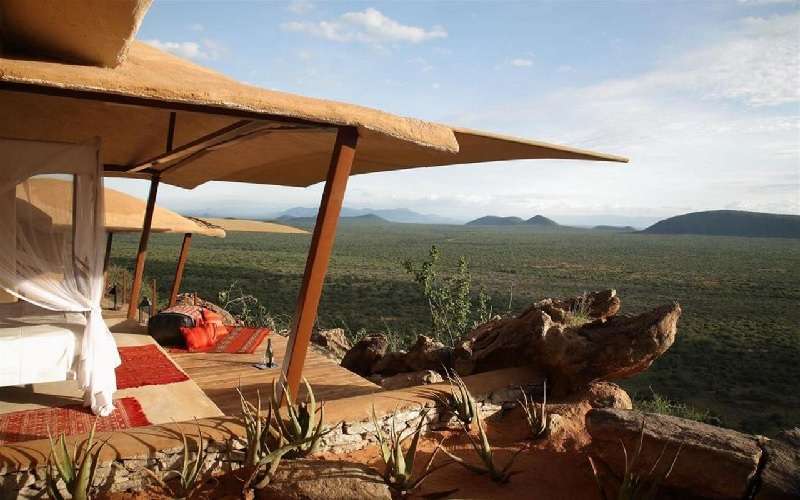
Top 5 Safaris in Kenya
Kenya is an African safari destination well known for the Wildebeest migration in the southern part of the country. A country filled with passion, inspiration and home to Masai Warriors and the colonial out of Africa feel. The country has a wide range of
.jpg)
Top 5 Safaris to Tanzania
With a size of about 947,305 km², Tanzania is the world's 31st-largest country; it is comparable in size to Nigeria. Tanzania has mountain ranges in North the result volcanic and tectonic movement in the northeast, where Mount Kilimanjaro
.jpg)
Top 5 Botswana Safari holidays
One of the planets more unusual natural spectacles where a vast river flows into an arid landscape filling it with an abundance of life. This home to some of the best Botswana safari lodges.
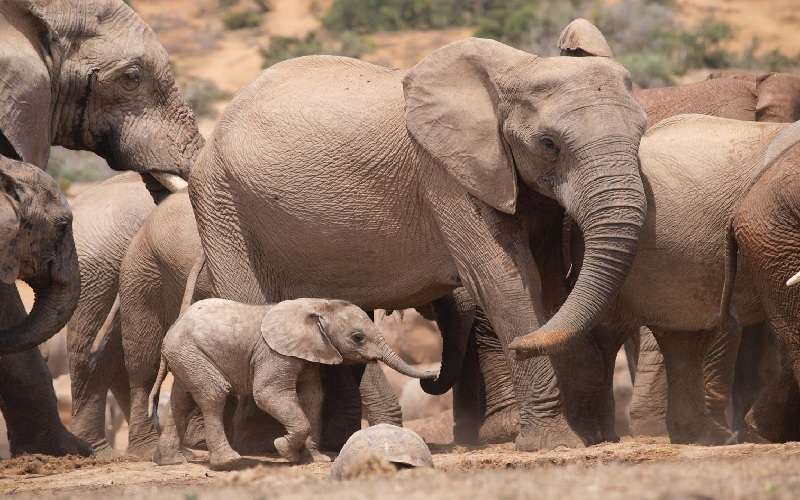
Top 5 South African Safaris
All the very best safari park and lodges in South Africa. For any Safari Expert, you want to achieve all of the once in a lifetime for your guest because they leave Africa changed and their soul touched positively.
Popular National Parks In Africa
.jpg)
Top 4 Masai Mara Safari Lodges
The top 55 Masai Mara Luxury Safari Lodges, Camps and Hotels. Kenya's premier safari destination handpicked safari lodge that makes for an amazing safari holiday. Join us the Masai Mara for the safari of a lifetime.
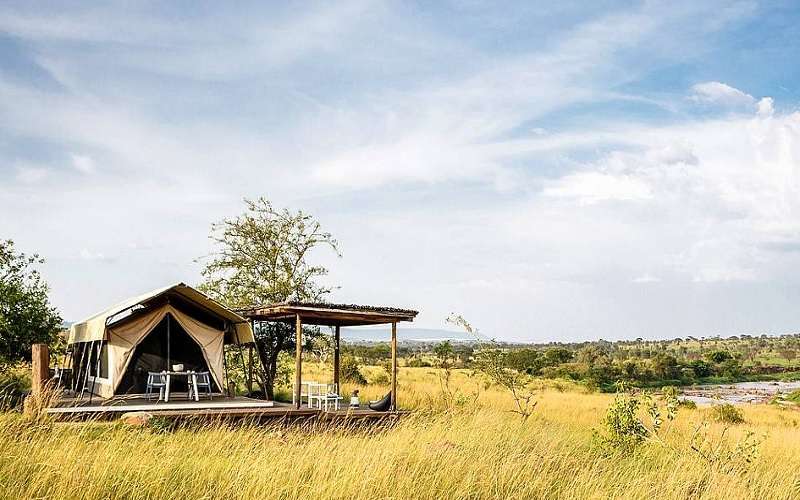
Top 4 Serengeti National Park Safari Lodges
The Serengeti reserve is a region in East Africa. It is in northern Tanzania and extends into South-Western Kenya. It is about Thirty Thousand square kilometres.
.jpg)
Top 4 Chobe National Park Safari Lodges
The Chobe National Park is located in the northwest region of Botswana in Southern Africa. The Chobe region in Botswana has one of the largest game concentration on the African continent. Measured by size, the Chobe National Park in Botswana
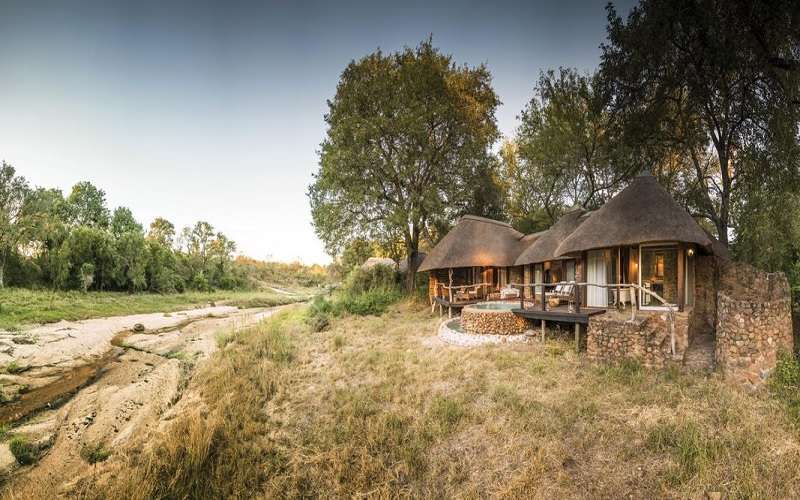
Top 4 Kruger National Park Safari Lodges
The very best hotels in the Greater Kruger Park to make your African safaris an adventure of a lifetime. The Kruger National Park a vast wilderness area covering 2 million hectares or Twenty Billion square meters. This figure excludes the two Game Reserve
Best Nature Reserves In Africa
.jpg)
Best 4 Sossusvlei Safari Lodges
The breathtaking andBeyond Sossusvlei Desert Lodge nestles in the northern region of the NamibRand Nature Reserve in Namibia, Southern Africa. A vast area of over 180 010 hectares lies between the endless dune fields of the Namib Desert
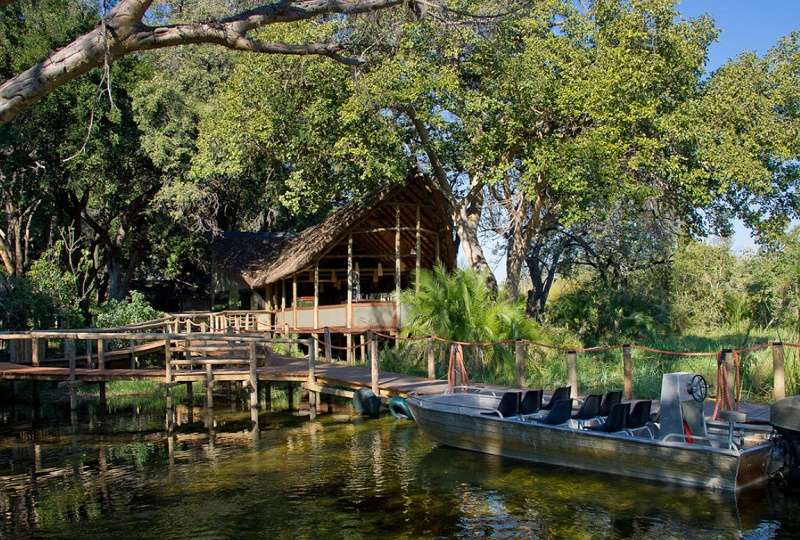
Best 4 Okavango Delta Safari Lodges
Created by seasonal flooding. The river drains the summer rainfall from the highlands, and the surge flows for kilometres. The waters then spread over the region of the delta in over the next four months (March-June).
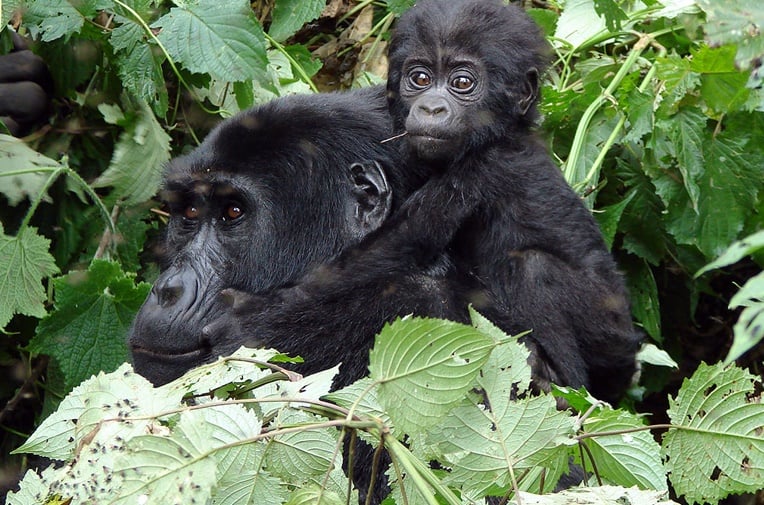
Best 4 Bwindi Impenetrable Forest Gorilla Safari Lodges
Uganda's Bwindi Impenetrable National Park is in the southwestern region of the country. The national park forms part of the Bwindi Impenetrable Forest, located along the border to the Congo next to Virunga
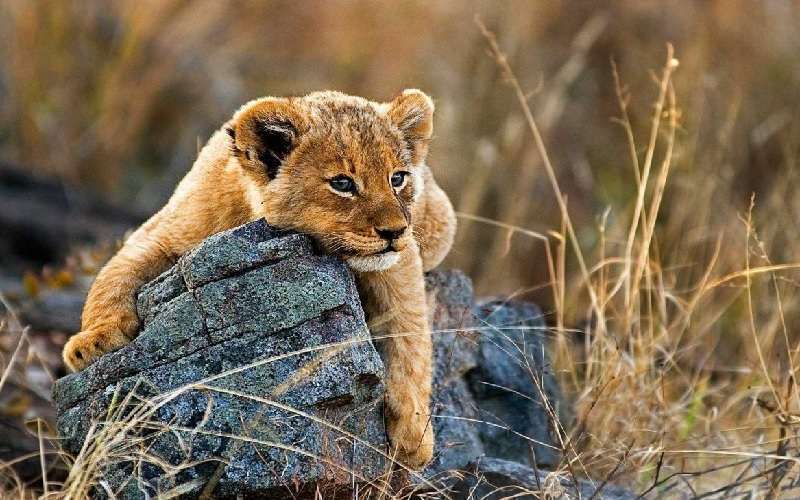
Best 4 Sabi Sands Game Reserve Lodges
Sabi Sands covers 660 km and a special place as it has a lot of running water in two rivers which is a rarity in most parts of Africa. The Sabi and Sand River traverse the game reserve is named after the rivers.
Safari Destinations on Special
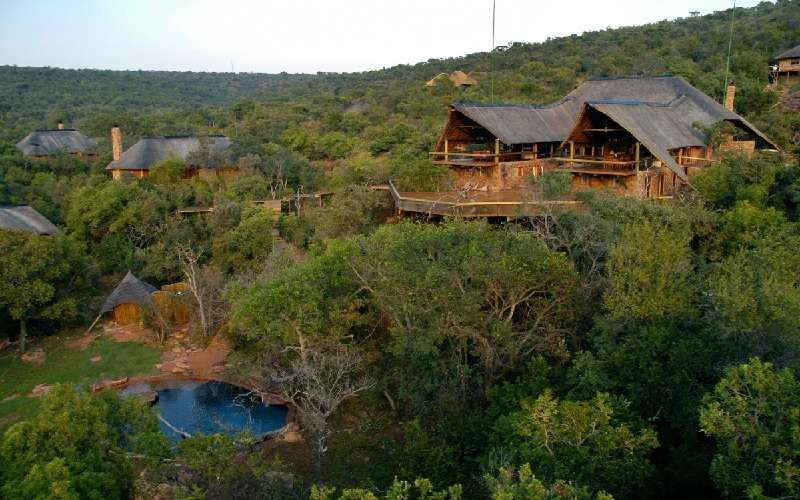
Welgevonden Game Reserve Specials
Waterberg is 3 and a half hours from Johannesburg this big-five reserve has many great lodges on special.
Addo Elephant Park Specials
Addo Elephant Park is world-famous for its herds of Elephant. One of the biggest malaria-free big five reserves in the world has following lodges on special
.jpg)
Garden Route Lodge Specials
The Garden Route is an amazing destination for families as it Malaria free and positioned near lots of attractions. This are the safari lodges on specials in the area.
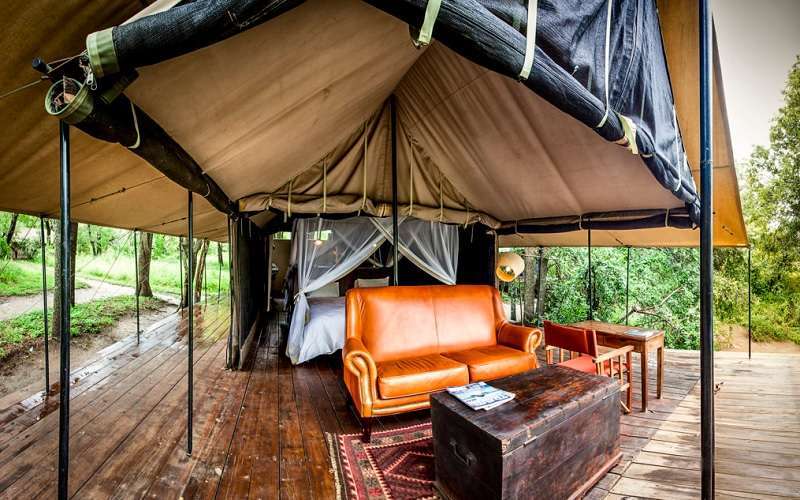
Manyeleti Game Reserve Specials
Manyeleti Game Reserve lodges n special are near the unfenced boundaries of the Kruger National Park and the Sabi Sands Reserve.
Malaria Free Safari Destinations
.jpg)
Addo Elephant Park
The Addo Elephant Park and surrounding region in South Africa's Eastern Cape Province include the small town of Addo, the spectacular Addo Elephant National Park itself, the game-rich Amakhala Game Reserve, Kirkwood as well as malaria-free, 'Big 5' Kwandw
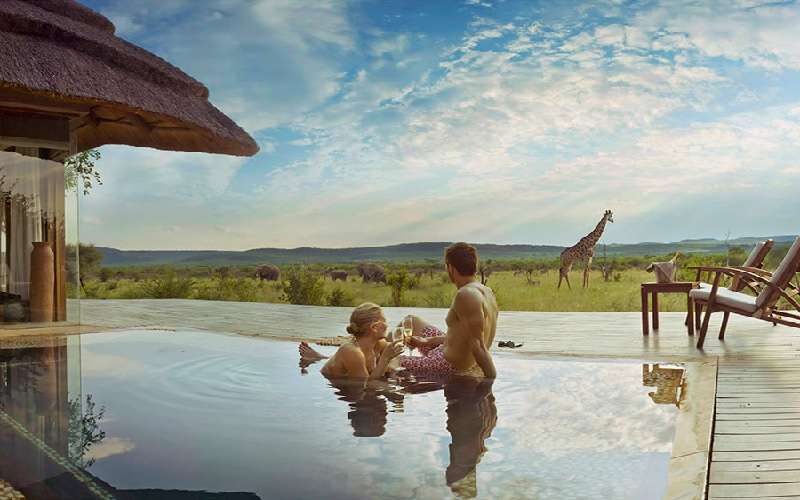
Madikwe Private Game Reserve
The 75 000-hectare Madikwe Game Reserve nestles in the North West Province of South Africa. Before its establishment in 1991, most of the land in this region of South Africa consisted of cattle farms.
.jpg)
Garden Route
Mossel Bay to the Storms River, a chain of bays, beaches, cliffs and rocky capes along the pounding white surf of the Indian Ocean. The Garden Route stretches from George to Port Elizabeth along South Africa’s Western coast. It is 227 kilometres of coas
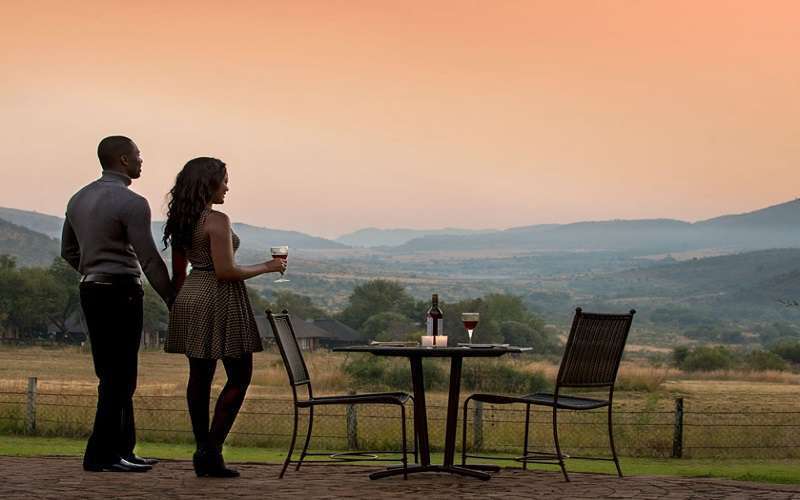
Pilanesberg National Park
The Pilanesberg National Park features a large variety of lodges to meet everyone's requirements including families, honeymoon couples as well as conference delegates. The reserve is an excellent destination for travellers with children as it is only a on
Safari News
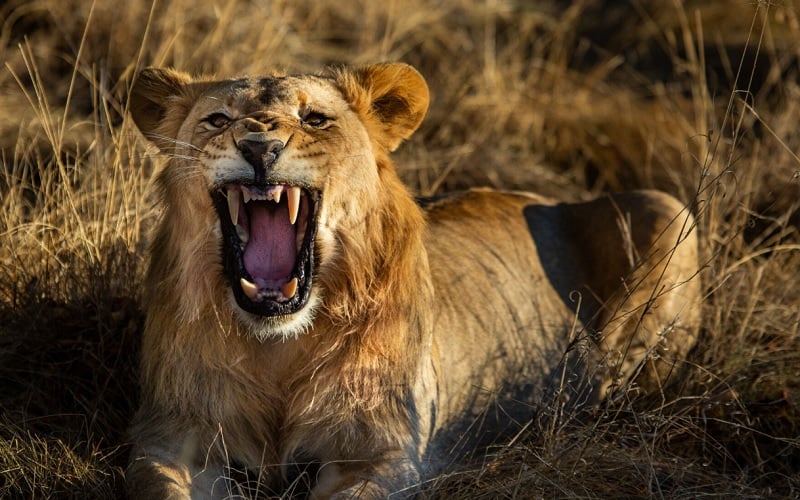
Mabula Game Lodge: The True Heroes ...
Providing elegance and safari luxury, an unforgettable encounter with South Africa’s bushveld awaits, located only a two hours drive from Johannesburg in the malaria free Waterberg region of the Limpopo Province. Diverse landscapes, including grassland
Masai Mara’s latest gem: The Geoffrey Kent Suite
The introduction of the Ultra-Luxury Geoffrey Kent Suite at Sanctuary Olonana (Kenya, East Africa). We’re delighted to share the new look of the recently launched ultra-luxury Geoffrey Kent Suite at Sanctuary Olonana in the Masai Mara, Kenya.
Okavango Delta: Jao Camp reopens with great splendour
Set in the heart of Botswana's magnificent Okavango Delta, the luxurious Jao Camp is set amongst islands which are beautifully fringed with riverine forests and vast, floodplains which is home to a prolific and colourful wildlife.
Best Safari Time in the Kruger Park is Now
Enjoy the beauty and untamed wilderness of the Kruger National Park at its best now. During May – September, which are the winter months in South Africa, the Kruger National Park receives no rainfall providing an ideal destination
Safari Information
The Big Five
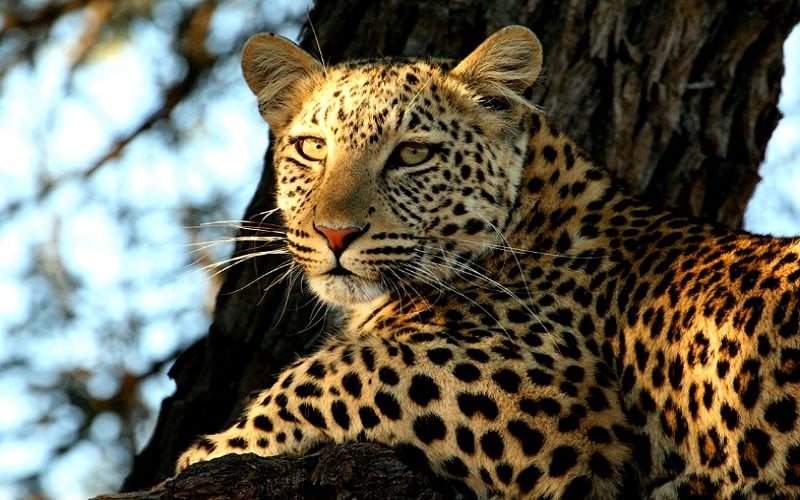
African Safaris Big Five - Lions, Elephant, Rhinoceros, Buffalo, Leopard.
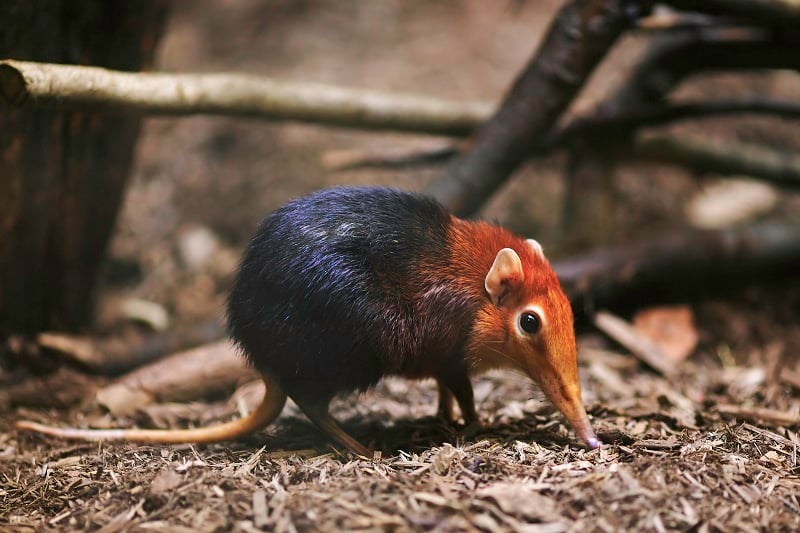
The Little Five on Safari
We know showcase our little five like our Rhino Beatles, Leopard Tortoise and the mighty Elephant Shrew.
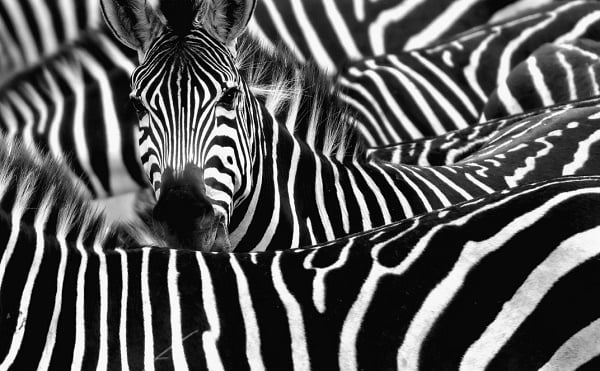
Safari Party Guests
South Africa is home to a vast array of wildlife. Here is a list of some of the most common
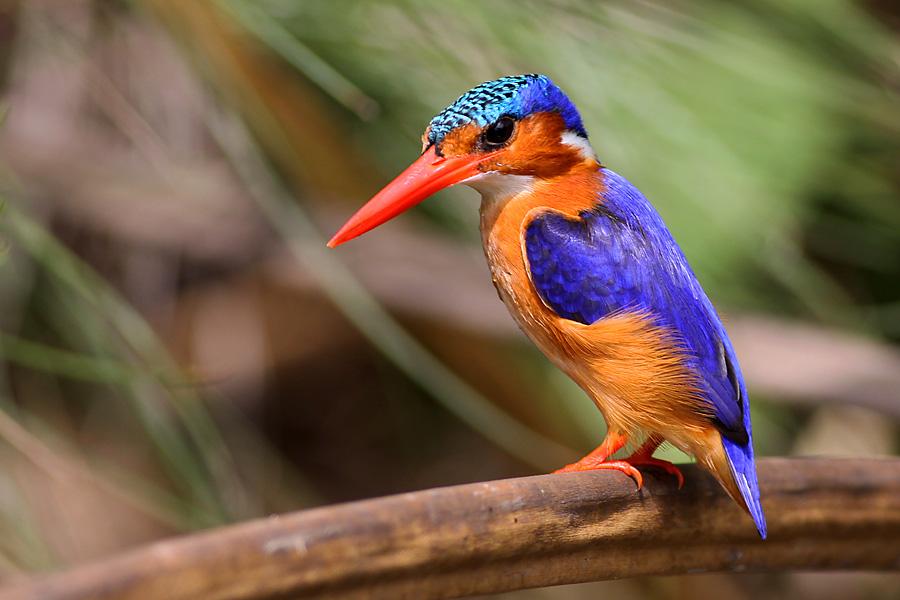
Safari Birds
Some of the birds you may have a great opportunity of seeing on Safari.
Best Safari Lodges in Africa
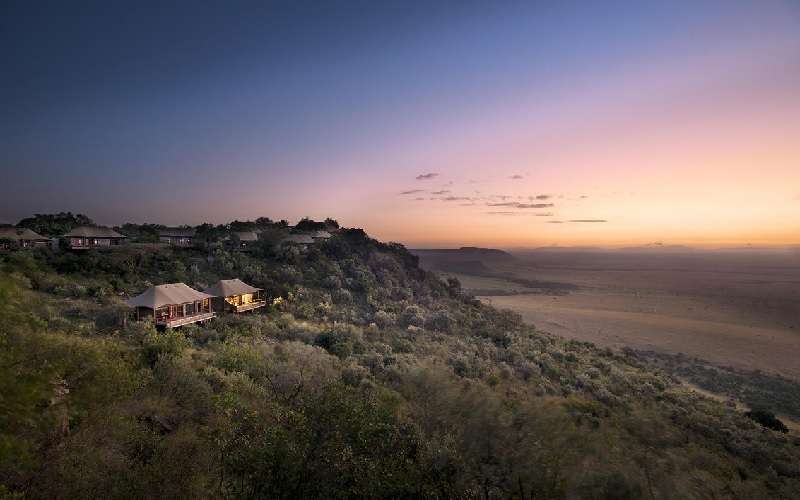
Angama Mara, Serengeti National Park, Kenya
Maasai Mara National Reserve, Kenya is within only 26 minutes drive from Angama Mara lodge, home to magnificent African mammals, and fantastic safari adventures await.
Ulusaba Private Game Reserve, South Africa
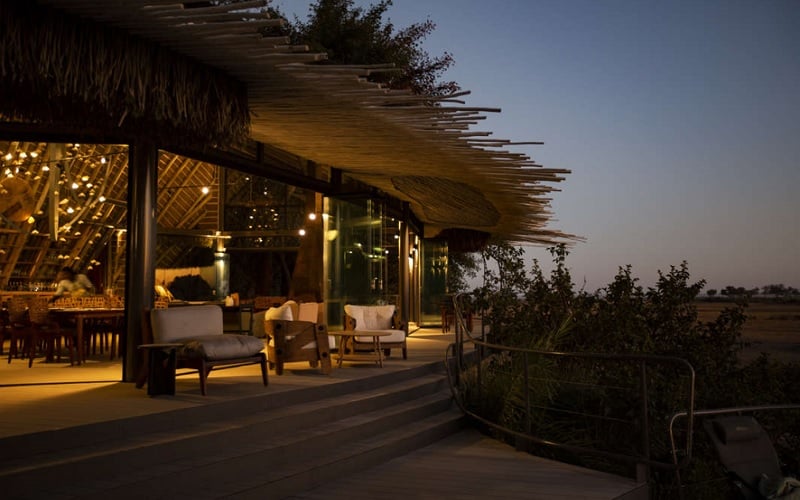
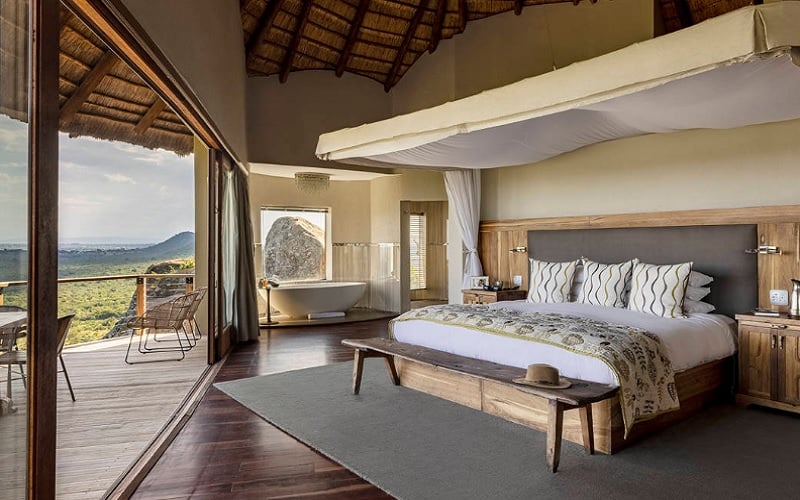
Ulusaba Private Game Reserve is made up of three different safari camps options, and they are all the epitome of luxury safari travel. While your African safari
Londolozi Game Reserve, Kruger National Park
Londolozi private game reserve is located in the heart of the animal rich Sabi Sands adjacent to the famous Kruger National Park of South Africa.
Mahali Mzuri, Safari Camp, Kenya
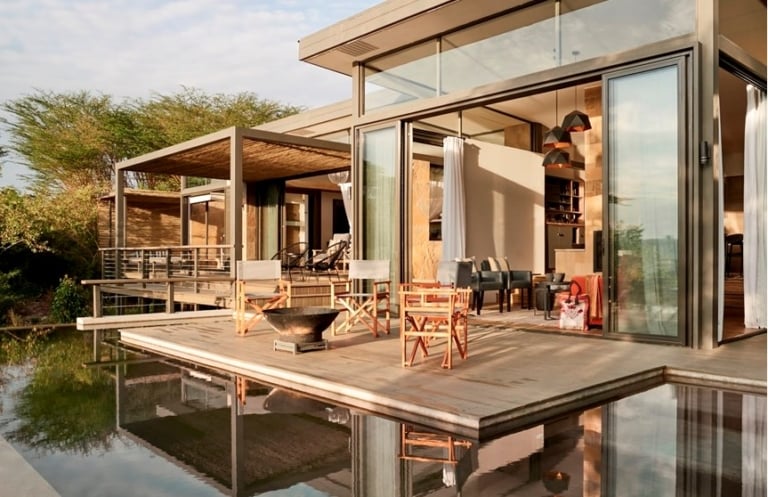
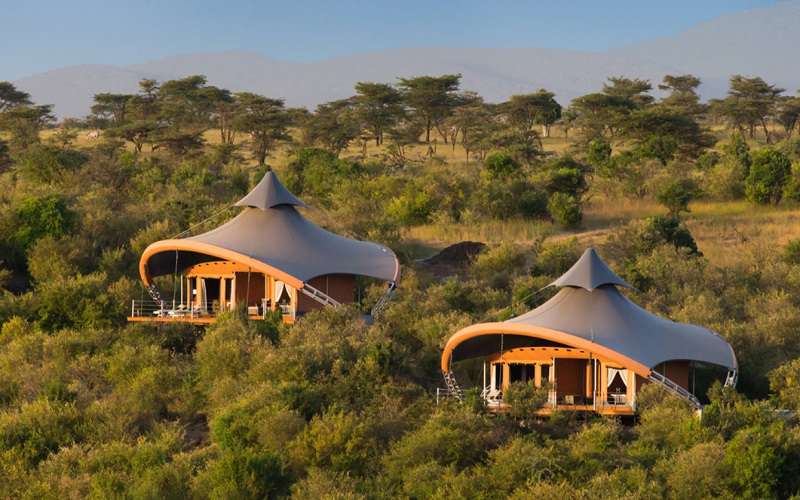
Mahali Mzuri, Sir Branson newest addition to his lodge portfolio is a unique safari camp, a truly unique experience in the wildlife-rich Conservancy north of the Masai Mara in Kenya. The Safari Camp is in a lush valley offering the most spectacular views
Klaus Tiedge - Wildlife Photography
Brotherhood 5
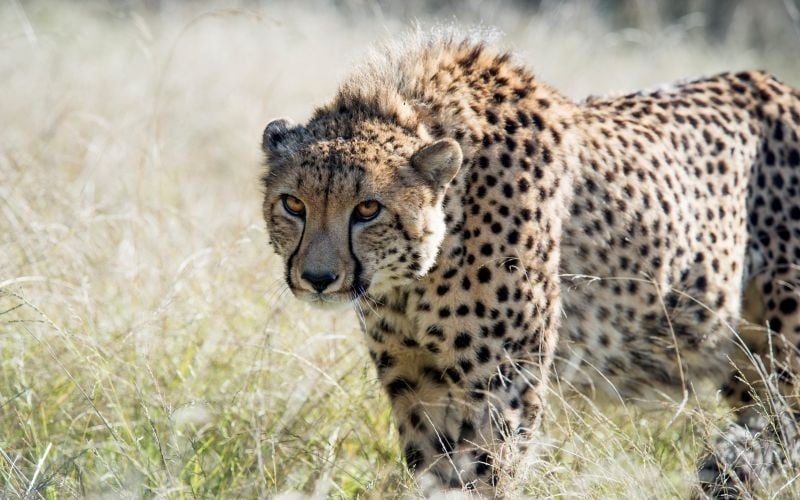
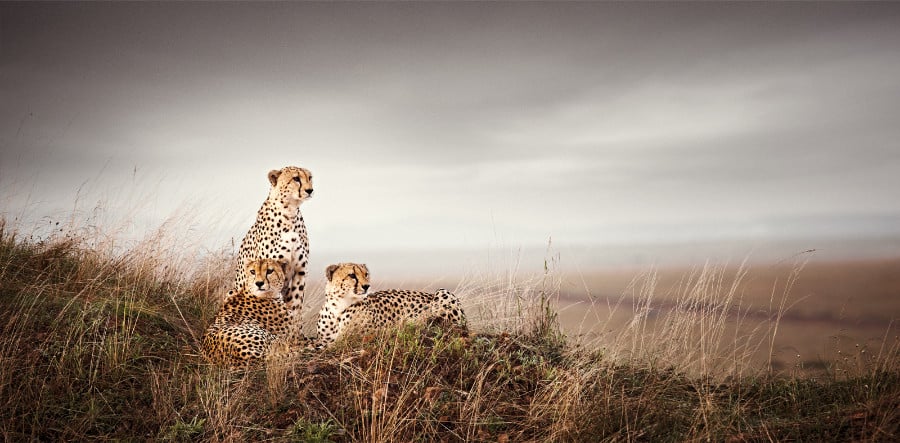
This morning my guide woke me up earlier than usual. I hadn’t slept well. We got into the car and drove towards dusk, still hearing the lions roar in the distance. I was not really up to taking my camera yet but then my guide spotted cheetahs
Union 2
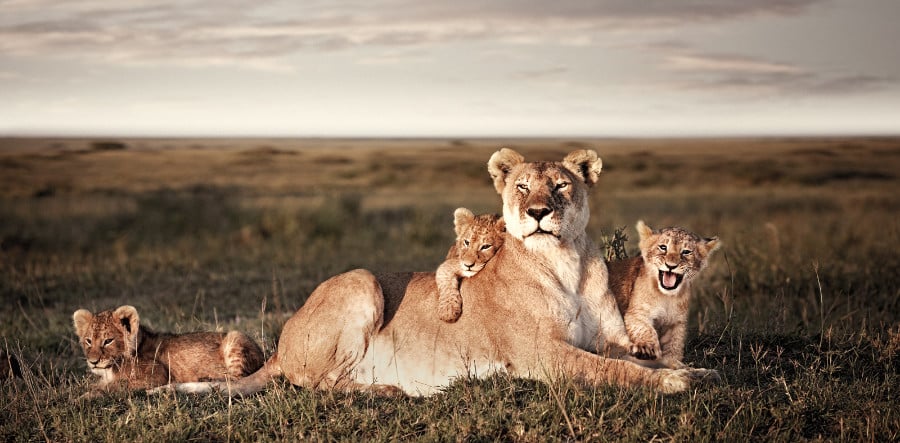
Over the period of a few days, I had captured numerous images of this lioness with her three cubs. Being a father of two kids myself, it was lovely to see them playing around, and getting to know their different characters and personalities.
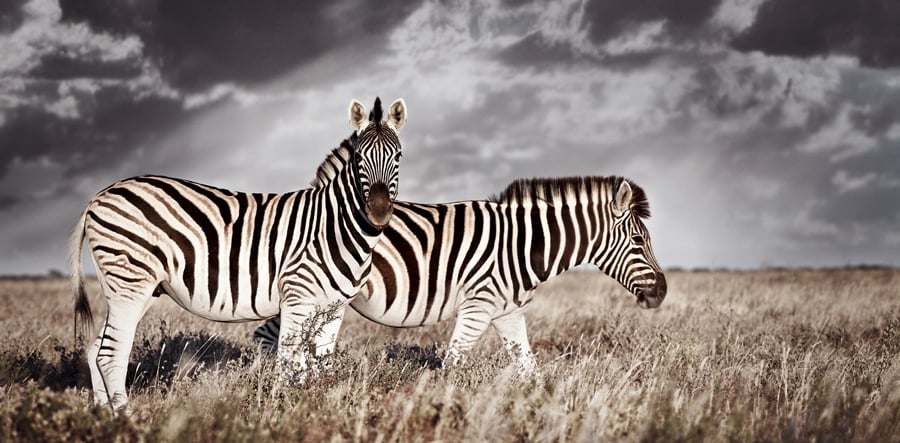
Duo 2
This particular afternoon when driving across the Etosha Plains in Namibia, we stopped and opened the windows, just to break the monotonous habit that you can easily fall for when there is nothing to see.
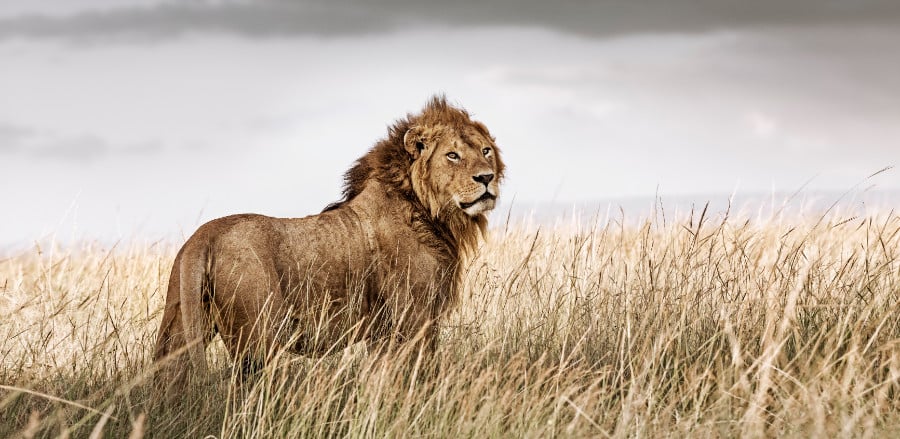
Intrepidity 1
The day began with a simple scene, with my driver and guide, John, spotting a lion lounging in a solitary tree, which stood proud over a field of tall grasslands. Yes, this year the grass in the Mara was so unusually tall that even lions climbed trees!
African Safaris
Allow us to show you another beautiful day in Africa. Our team at South-African-Lodges.com is as warm as the land and as diverse as Africa's natural kingdom and we are on hand to make your safari experience an unforgettable one.
We have handpicked a selection of lodges across Africa, which will provide you luxurious accommodation combined with the thrill and adventure of a close encounter with Africa's wildlife.
Choose from a selection of elegant game lodges with sublime cuisine geared towards the discerning traveller. Or take your family for a low-cost holiday to a quaint self-catering game lodge. For a more adventurous getaway sleep under the star studded African sky at one of the lodges' breathtaking tree-houses.
An African Safari is a must in everyone's lifetime and with so many safari lodges to choose from the booking process can be a difficult one. We have the local knowledge you need to make sure your safari holiday is filled with memorable activities and tours and that every little detail is catered for.
We aim to provide you with a great selection of lodges in different game reserves to assist you in making the right decision whether it pertains to malaria, travelling with children, finding the best game viewing or just having the best lodge with the best cuisine.
We will make booking your African safari easy and affordable.
African Safari FAQ
What is an African Safari?
A trip to Africa where you would visit a large animal sanctuary either a National Park or a Reserve where animals roam free. You will be guided through the wild habitat looking at animals such as elephant roaming free.
When is the best time to go on safari?
The best time to go on safari is in winter as this is the dryest time of the year in Southern Africa. Winter is a mid-year season, the opposite to the northern hemisphere.
How much is an African Safari?
The price of a safari depends on the location of the lodge being visted. Small lodges and lodges in remote locations tend to be more expensive.
Affordable Safari Lodges South Africa
An affordable, child-friendly safari destination that is 2 hours from Johannesburg would be the Pilanesberg Nature Reserve and we would recommend Bakubung Bush Lodge and Kwa Maritane Bush Lodge.
What are the Big Five?
The Big Five is considered to be Africa's most dangerous animals. They include the Rhino (black and white), Lion, Elephant, Cape Buffalo, Leopard.
Where can I see giraffe?
Giraffes can be seen throughout Southern Africa. You can find giraffe and most national parks and game reserves. Giraffe are considered a vulnerable species due to habitat loss. The most famous location in Africa would be Giraffe Manor Nairobi Kenya.
What time do Safari drives take place?
- Normally the game drives leave before sunrise between 5 am and 6 am depending on the time of the year and this is called the early morning game drive. Breakfast is served on arrival back at the lodge.
- Then you would go out on a late afternoon game or evening game drive which normally leaves between 3 and 4 pm and returns after sunset around 7 pm. Dinner is served back on arrival at the lodges.
- The midday heat makes it very difficult to see animals so that time is normally spent at the lodge.
South African Lodges Customer Reviews
We got 3 rooms for our family get-together when the Bakubung Bush Lodge was already fully booked and on top of that at a greatly discounted rate! I will definitely make all my bookings now through you.
Our amazing 10 Days Botswana Safari Okavango Delta, Chobe and Victoria Falls Holiday that we have been dreaming of for years was planned perfectly and the pricing was amazing. The accommodation at the hotels and lodges as well as the transfers and internal flights were all organized very well for us making it a very easy and quick booking process and a holiday memory to last us a lifetime! Thank you to Evi for making this trip unforgettable for us.
Our incredible 7-day safari to the Serengeti was an outstanding experience and thanks to Evi and her team our trip to Tanzania was out of this world! We could have not asked for better guidance, assistance and booking process than through South-African-Lodges.com We are planning to go Gorilla Trekking in Uganda next year and will definitely book this through you again.
If you are looking to visit the Masai Mara, contact Evi and Anel, they are extremely professional. Based on first-hand experience and a wealth of knowledge in this region of Africa, they are able to ensure that all details of a once in a lifetime safari to East Africa are taken care off! Despite the Migration taking place were they able to get us availability at the most popular lodges and also at The Giraffe Manor. Brilliant work, keep it up!
This is now the third time that I book my safari holiday to Africa with Steffi and her team at South-African-Lodges.com Steffi assisted with our travel arrangements in German which helped me a lot. This time around we travelled "off the beaten path" and yet the team managed to exceed our expectations yet again. We were able to stay at the most amazing safari lodges in remote areas which we would have never encountered without recommendations in Namibia, Zambia, Zimbabwe and Botswana! What an amazing experience it was yet again, worth every penny! You will hear from us again...thank you again.
All I knew was that I had 5 nights available for a safari in between conferences in South Africa. Given the dates, Evi and her team managed to make these days one of my most treasured holiday experiences ever! I was collected directly from the hotel in Sandton and taken to the airport for my flight directly to the Londolozi airstrip. After amazing 3 nights at this lodge where wildlife sightings exceeded anything I could have ever dreamed of, I enjoyed 2 days exploring the magnificent Panorama Route where I was accommodated in luxury and style! Everything was reliably and efficiently booked according to my requirements. Thanks a million! I will return back to South Africa with my family.
Accreditations


